
2019-05-19
How to Plan Live Music for Your Wedding Ceremony

Planning live music for wedding ceremony entrances, traditions, and transitions involves more than choosing a favorite song. Your venue, ceremony timeline, ensemble size, acoustics, entrances, and coordination needs all influence how the performance should be organized.
The right musicians can guide guests from the quiet anticipation of the prelude to the celebration of the recessional. They can also adjust the timing of a selection as people walk, pause between ceremony moments, and create natural transitions that recorded tracks cannot always provide.
This guide explains how to select live wedding musicians, plan music for each part of the ceremony, compare soloists and ensembles, prepare for indoor or outdoor conditions, and continue the experience into the cocktail hour or reception.
Before choosing individual songs, map the ceremony from the moment guests begin arriving until the last member of the wedding party exits. This gives your musicians a clear structure and helps you identify where live music will have the greatest impact.
Most ceremonies include prelude music, a processional, a separate bridal entrance, optional music during a ritual or signing, and a recessional. Some celebrations also include cultural traditions, multiple family entrances, prayer or reflection, memorial moments, or a postlude while guests leave.
Couples who are still planning their sequence can review OMG’s wedding prelude music suggestions and wedding processional music playlist before finalizing their selections.
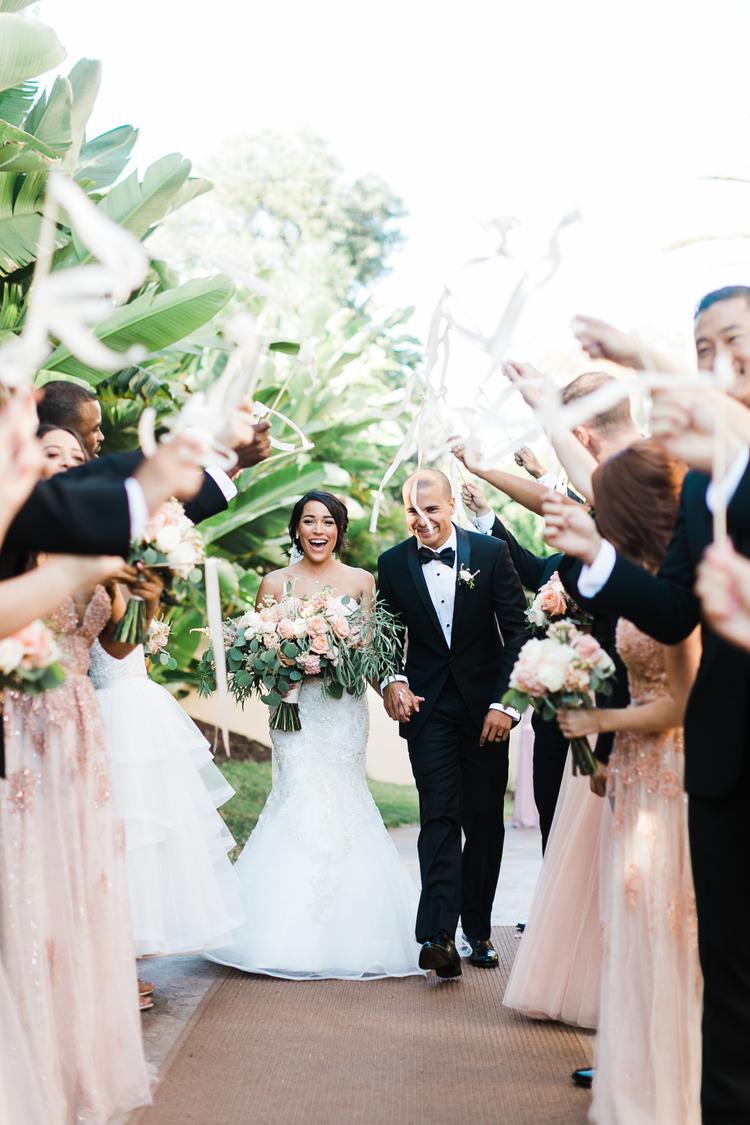
A well-planned ceremony does not need a different song for every minute. It needs a few carefully chosen selections that support the mood and allow enough flexibility for real-life timing.
Prelude music welcomes guests as they arrive and take their seats. Choose selections that establish the atmosphere without competing with conversations or venue activity.
The processional accompanies bridesmaids, groomsmen, family members, attendants, flower children, and other members of the wedding party as they enter.
The bridal entrance often receives its own musical selection and cue. The musicians may begin at a designated point and adjust the ending to match the length of the aisle.
Unity ceremonies, candle lighting, cultural rituals, memorials, prayer, communion, or signing moments may benefit from quiet instrumental music when appropriate.
The recessional begins after the couple is presented and exits. A bright, celebratory selection helps shift the atmosphere from the ceremony into the next part of the wedding day.
Postlude music continues as the wedding party and guests leave the ceremony area. It can also support the transition into photographs or cocktail hour.
For a distinct entrance selection, explore OMG’s bridal entrance song ideas . Couples including a ritual, reading, candle lighting, or another meaningful tradition can also review special ceremony program music .
Guest count can influence the decision, but it should not be the only factor. The ideal ensemble also depends on the venue, desired musical fullness, ceremony style, available space, amplification, repertoire, and the emotional effect you want.
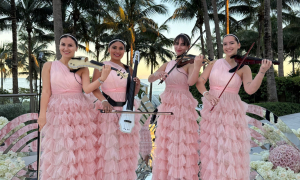
A solo harpist, violinist, cellist, pianist, or guitarist can sound personal and expressive. A duo adds harmony while remaining space-efficient. A trio creates a fuller arrangement, while a wedding quartet can provide greater depth, balance, and visual presence for a formal ceremony.
On smaller screens, swipe horizontally to view the full comparison.
| Music option | Sound and atmosphere | Often suited to | Planning considerations |
|---|---|---|---|
| Solo musician | Intimate, expressive, and personal | Small ceremonies, elopements, gardens, chapels, and private homes | Confirm whether the desired songs work well on one instrument |
| Duo | Warm, balanced, and versatile | Indoor or outdoor ceremonies and cocktail hours | Offers harmony while requiring relatively little performance space |
| Trio | Full, elegant, and flexible | Medium or large ceremonies, formal weddings, and resort venues | Can support richer arrangements without the footprint of a quartet |
| Wedding quartet | Rich, layered, and traditionally refined | Formal ceremonies, churches, ballrooms, estates, and larger venues | Requires adequate seating, shade, setup space, and arrangement time |
| Live band | Energetic, vocal, and performance-focused | Receptions, cultural celebrations, and larger wedding programs | Usually requires more space, power, setup time, and sound planning |
Browse OMG’s string ensembles for wedding ceremonies to compare different instrumental combinations. Couples who prefer a smaller format can also explore acoustic wedding duos or review the complete selection of live wedding musicians .
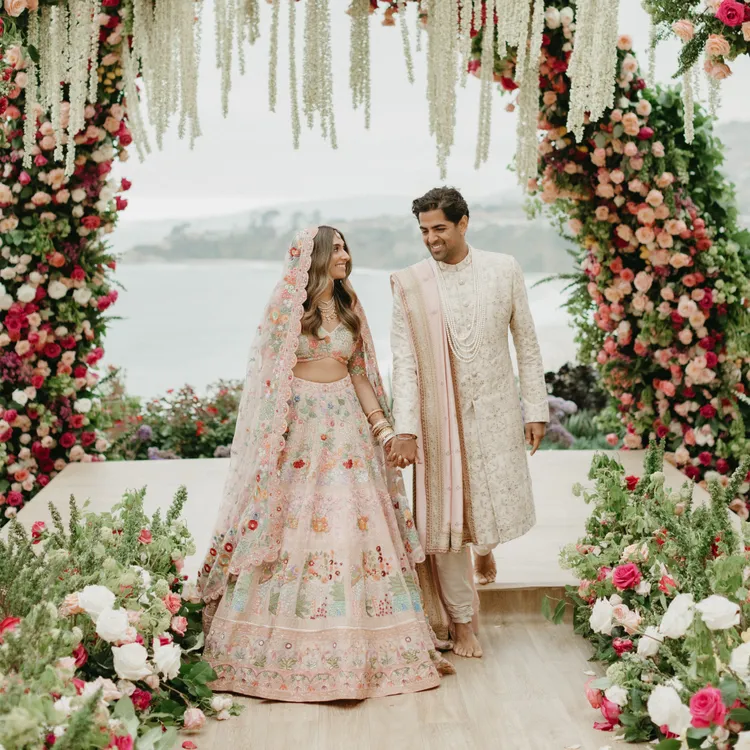
A ceremony inside a chapel, ballroom, hotel, or private residence will sound different from one held on a beach, lawn, terrace, vineyard, or estate. Walls and ceilings naturally reflect sound, while outdoor music can dissipate more quickly because there are no enclosed surfaces.
Ask the venue whether it has restrictions involving amplification, electrical power, speaker placement, setup time, sound limits, insurance, approved vendors, instrument protection, or access to the ceremony area. Church and religious venues may also require approval of musical selections or limit which styles can be performed during the service.
Outdoor performances need a practical weather plan. Direct sun, extreme heat, cold, wind, rain, sand, moisture, and uneven ground can affect instruments, sheet music, electrical equipment, and performer safety.
Confirm whether the venue can provide stable chairs, level flooring, sufficient shade, nearby power when required, and a covered alternative in case conditions become unsuitable. For outdoor events, review the National Weather Service event-preparedness guidance and agree on a shelter or relocation plan with the venue. A beautiful location does not automatically provide a safe performance area.
Even a carefully selected playlist can feel disorganized when the cues are unclear. Live musicians should know who is entering, which entrance begins each piece, whether groups will walk separately, and what visual or verbal signal marks the transition.
Share the final processional order with the musicians and wedding coordinator. Identify the person responsible for signaling the start of each entrance and confirm whether the musicians can clearly see that person from the performance area.
Live performers can often repeat a section, extend a piece, move toward a cadence, or fade naturally when an entrance finishes. That flexibility is one of the strongest advantages of using live music for wedding ceremony entrances and transitions.
Do not assume every song is immediately available for every instrument or ensemble. A selection written for voice, piano, or full production may require a custom arrangement before it can be performed effectively by strings, harp, guitar, or another instrumental format.
Send special requests early enough for the musicians to review the song, confirm whether an arrangement exists, prepare any new material, and allow rehearsal time. Include the exact artist, version, or reference recording when several arrangements of the song are available.

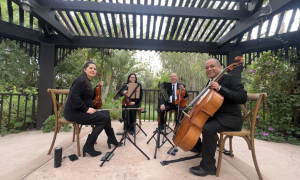
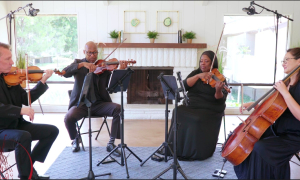
Performance videos can help you evaluate an ensemble’s sound, presentation, instrumentation, and overall atmosphere before making a decision. These examples show live wedding musicians performing in real celebration settings.
Watch how live musicians support the visual setting and emotional pace of a wedding while maintaining a polished performance.
This performance offers another example of how instrumentation, repertoire, and ensemble presentation can complement a wedding celebration.
Many couples continue the performance during cocktail hour so guests move from the ceremony into the reception without an abrupt change in atmosphere. The same ensemble may be able to relocate, or a different group may perform depending on the venue layout, timing, and desired energy.
Live music for wedding reception settings can serve several purposes. Instrumental music may support conversation during cocktails or dinner, while a jazz group, vocalist, DJ-and-live combination, or full band can create a stronger entertainment experience later in the evening.
Review OMG’s wedding reception music planning ideas and live bands for wedding receptions when planning music beyond the ceremony.

Before completing your music plan, confirm the following:
Ocdamia Music Group helps couples compare soloists, duos, trios, string ensembles, wedding quartets, jazz groups, and live bands for celebrations throughout Southern California.
When planning your wedding ceremony, share your date, venue, city, guest count, ceremony format, preferred instrumentation, and important songs. These details help OMG identify suitable options based on performer availability, venue requirements, timeline, and musical style.
Couples can explore wedding music services , browse musicians available for weddings , and read reviews from previous OMG clients before requesting availability.
Most ceremonies need music for guest arrival, the wedding-party processional, the bridal entrance, optional ceremony traditions, and the recessional. The exact number depends on the ceremony order, number of entrances, religious or cultural elements, and whether postlude music is included.
A soloist creates an intimate and personal sound, while a wedding quartet provides greater musical depth and visual presence. The better option depends on your venue, preferred repertoire, ceremony style, available space, acoustics, and budget rather than guest count alone.
Yes, many contemporary songs can be adapted for strings, harp, piano, guitar, or other ensembles. Availability depends on whether a suitable arrangement already exists and whether the musicians have enough time to prepare a custom version.
Not always. Amplification depends on the venue size, acoustics, guest count, outdoor conditions, instrument type, and distance between the musicians and audience. Confirm venue sound rules and power access before adding equipment.
In many cases, yes. The plan depends on the distance between locations, available transition time, equipment requirements, performance length, and whether the ensemble must move or reset before cocktail hour begins.
Inquire after confirming your date and venue. Popular weekends, holidays, peak wedding seasons, and specific performers may book well in advance. Earlier booking also provides more time for song selection, custom arrangements, venue coordination, and timeline planning.
The best live music for wedding ceremony entrances, traditions, and transitions is planned around the people, venue, timeline, and atmosphere of the celebration. Begin with the ceremony flow, choose an ensemble that suits the space, and give the musicians clear songs and cues.
Share your wedding date, venue, location, ceremony format, and musical preferences to ask OMG about wedding musician availability and receive recommendations for your celebration.
For more details about repertoire, breaks, special requests, booking, and event preparation, visit OMG’s wedding and event music FAQs .

Robert Miskey
Hi there! I agreed with your point ?It is a magical moment where two remarkably different individuals are joined together in marriage?. So Music is important for all and the best thought is on your wedding day you can hire a live musician. Keep sharing and blogging!