
2019-05-23
Live Music for Corporate Events: Ideas for Every Type of Company Event

Choosing the right live music for corporate events can shape how guests experience a conference, reception, gala, launch, or company celebration. Music can welcome attendees, support conversation, introduce important moments, and help the program move naturally from one segment to the next.
The best option depends on the event format, venue, audience, schedule, available space, and the role the entertainment needs to play. An acoustic duo may suit a networking reception, while a string quartet can complement a formal gala. A versatile live band may be more appropriate for an employee celebration with dancing.
This guide explains how to compare corporate musicians, ensembles, and bands for different professional gatherings while planning the sound, timing, space, and guest experience.
Recorded playlists can fill silence, but live performers add a visual and personal element to the room. They can adapt their delivery for arrivals, conversation, presentations, dinner, awards, or a more energetic closing celebration.
Thoughtfully planned live music entertainment can also support transitions. A soft instrumental set may welcome attendees into a reception, while a brighter selection can signal that the formal program is about to begin. After speeches or awards, a band can help move the event into a social or celebratory atmosphere.
Start by deciding what the music needs to accomplish. The right choice for subtle background music will not necessarily be the right choice for dancing, audience interaction, or a product reveal.

Choosing live music for corporate events becomes easier when the entertainment is matched to the purpose of the gathering rather than selected by genre alone.
Conferences usually need music during registration, networking breaks, meals, or closing receptions rather than during presentations. A solo guitarist, pianist, violinist, or acoustic duo can create a polished sound without requiring a large performance area.

Networking music should create atmosphere without making conversation difficult. Acoustic duos, string trios, jazz groups, saxophonists, and other small ensembles can provide a clear musical presence at a comfortable volume.
Position the musicians where they are visible but do not obstruct entrances, food service, sponsor displays, or normal guest movement.
String ensembles, jazz quartets, pianists, harpists, and polished vocal groups work well for formal galas, award programs, fundraising dinners, and black-tie events. The ensemble can perform during guest arrival, cocktails, dinner, and planned transitions.
For programs with speeches or awards, confirm exact stop times so the music does not overlap with announcements or presentations.

Appreciation events range from relaxed luncheons to formal evening celebrations. A small ensemble may suit a daytime reception, while a live band for corporate events is often better for dancing, requests, and a high-energy closing set.
Consider the age range and preferences of the audience. A varied repertoire can help a band connect with more guests instead of focusing too narrowly on one style or decade.

Product launches often need visually distinctive entertainment that fits the brand presentation. Electric strings, saxophonists, DJs with live musicians, and contemporary acoustic groups can support arrivals, media moments, demonstrations, and the main reveal.
Coordinate the performers with lighting, staging, video, photography, and the event timeline. The music should strengthen the presentation without distracting from the product or announcement.

PR and marketing events benefit from performers who are polished, camera-ready, and flexible. A jazz group, contemporary string ensemble, acoustic act, or live band for events can support the atmosphere while complementing sponsor and brand presentation.
Holiday parties may combine cocktails, dinner, recognition, networking, and dancing. A versatile band, jazz ensemble, or DJ with live musicians can provide both background and featured live music entertainment during different parts of the program.
The best live music for corporate events depends on the venue, audience, schedule, sound limits, and role of the performance. This comparison provides a practical starting point.
On smaller screens, swipe horizontally to view the full comparison.
| Music option | Often suited to | Typical role | Planning notes |
|---|---|---|---|
| Solo musician | Registration, receptions, dinners, and intimate gatherings | Welcoming or background music | Requires limited space and can suit lower-volume settings |
| Acoustic duo | Networking, cocktail hours, conferences, and private dinners | Warm background entertainment with a fuller sound | Confirm amplification and access to power |
| String ensemble | Galas, awards, formal dinners, receptions, and launches | Refined atmosphere and program transitions | Outdoor performances may require shade and weather protection |
| Jazz group | Cocktail receptions, hotels, dinners, and company celebrations | Sophisticated social atmosphere | Ensemble size can be adjusted to the room and program |
| Full live band | Holiday parties, employee events, galas, and large celebrations | Featured entertainment and dancing | Requires more setup time, space, power, and sound coordination |
| DJ with live musicians | Launches, activations, modern receptions, and high-energy events | Continuous music with interactive live elements | Coordinate staging, sound, lighting, and performance cues |
Planners can browse OMG musicians and ensembles to compare performance styles. Classical and contemporary instrumental options are available through OMG’s string ensemble listings , while celebrations requiring vocals, dancing, or a stronger stage presence can explore live bands for corporate events and celebrations .

Select a band according to the event plan rather than only by genre or appearance. Define whether the performance is intended for arrivals, networking, dinner, a featured show, dancing, or several parts of the program.
Guest demographics, event formality, company culture, and the desired energy should guide the repertoire. For a mixed audience, broad and recognizable selections may work better than music built around one narrow style.
Ask about performance space, load-in access, power, sound limits, curfews, staging, parking, and restrictions on live entertainment. Outdoor venues may also require shade, wind protection, weather contingencies, and safe electrical access.
Look for event footage that shows the musicians in a setting similar to the proposed venue. This can help planners evaluate stage presence, attire, ensemble balance, and how the performers interact with an audience.
Corporate timelines often include introductions, videos, speeches, awards, or product presentations. Identify exact musical start and stop points so the performers do not overlap with important program content.
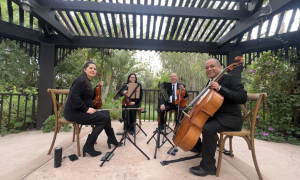
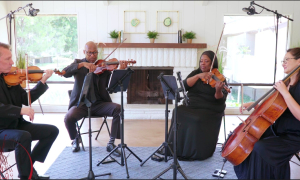
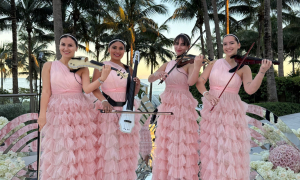
Real performance examples can help planners compare the energy, visual presentation, and audience experience of different corporate musicians and entertainment formats.
Live performers can support a professional event from guest arrivals through dinner, presentations, or a closing celebration.
The repertoire and presentation can be adapted to the company, venue, audience, and planned portions of the program.
Preparing these details helps planners compare live music for corporate events, confirm availability, and coordinate the performance accurately.
Provide the final timeline and production details before the event. When several performers, rooms, or program segments are involved, using one primary contact can reduce conflicting instructions.
Ocdamia Music Group provides corporate entertainment in Southern California for conferences, receptions, galas, awards, launches, company parties, holiday events, and other professional gatherings.
Service areas include Los Angeles, Orange County, San Diego, Palm Springs, Riverside, the Inland Empire, Santa Barbara, and nearby communities. Performer availability depends on the event date, location, schedule, ensemble, travel requirements, and production needs.
Planners can also explore live music for special events , watch real performance examples, and read reviews from previous OMG clients before selecting a musician or live band for events.
Soloists and acoustic duos work well for arrivals and networking. String ensembles and jazz groups suit formal receptions and dinners. Full bands are generally better for company celebrations, holiday parties, and events with dancing.
Inquire after the event date and venue are confirmed. Popular weekends, holiday periods, and in-demand performers may become unavailable well in advance. Shorter-notice availability depends on the location, ensemble, and schedule.
Yes. Musicians can perform during registration, cocktail hours, networking, meals, and program transitions. The ensemble and amplification should allow guests to communicate comfortably.
Space depends on the number of performers, instruments, monitors, sound equipment, and staging. Confirm the proposed performance area with both the musicians and venue before finalizing the floor plan.
Requirements depend on the performer, room, guest count, and production plan. Some musicians provide compact amplification, while larger bands may require professional sound equipment and a technician.
Provide the event date, venue, city, guest count, event format, performance times, preferred musical style, ensemble preference, production details, and any important songs or program cues.
Effective live music for corporate events should suit the venue, audience, company culture, and program. An acoustic group can support conversation, a string ensemble can add refinement to a formal dinner, and a versatile band can bring energy to a company celebration.
Review venue requirements, clarify the role of the music, and compare real performances before making a decision. Additional information about repertoire, timing, pricing factors, and preparation is available in OMG’s frequently asked questions .
Planners who need help comparing suitable options can ask about musician availability and share the event date, venue, schedule, guest count, preferred entertainment format, and production requirements.

Jesse Ford
I like how you mentioned that music can be a powerful tool to incorporate interaction and synergy to bring people together from diverse backgrounds. The company my sister works for is considering looking for a corporate event live music entertainer because they’re thinking about having a retreat for the top-selling reps in the nation. I think it’s a good idea to consider hiring a reputable professional that has the tunes to help people interact with one another.